


Prompts That Turn Meetings Into Momentum

Today we explore meeting facilitation prompts to guide productive discussions, offering practical language you can use immediately, adaptable for teams of any size, in rooms or online. Expect clear examples, human stories, and gentle structure that unlocks focus, inclusion, and decisive outcomes. Share your favorite prompts in the comments, subscribe for next editions, and try at least one prompt this week to feel the difference in energy, clarity, and follow‑through.

Begin with Clarity and Psychological Safety

Openings shape everything that follows. Start by signaling purpose, boundaries, and care, then invite voices in a way that feels respectful, low risk, and energizing. The right questions prime attention, establish shared outcomes, and reduce anxiety. A minute spent clarifying why we are here often saves an hour later. Use short, specific prompts that reset expectations, illuminate desired results, and build enough safety for candor without sacrificing pace or ambition.

Invite Every Voice Without Losing Pace

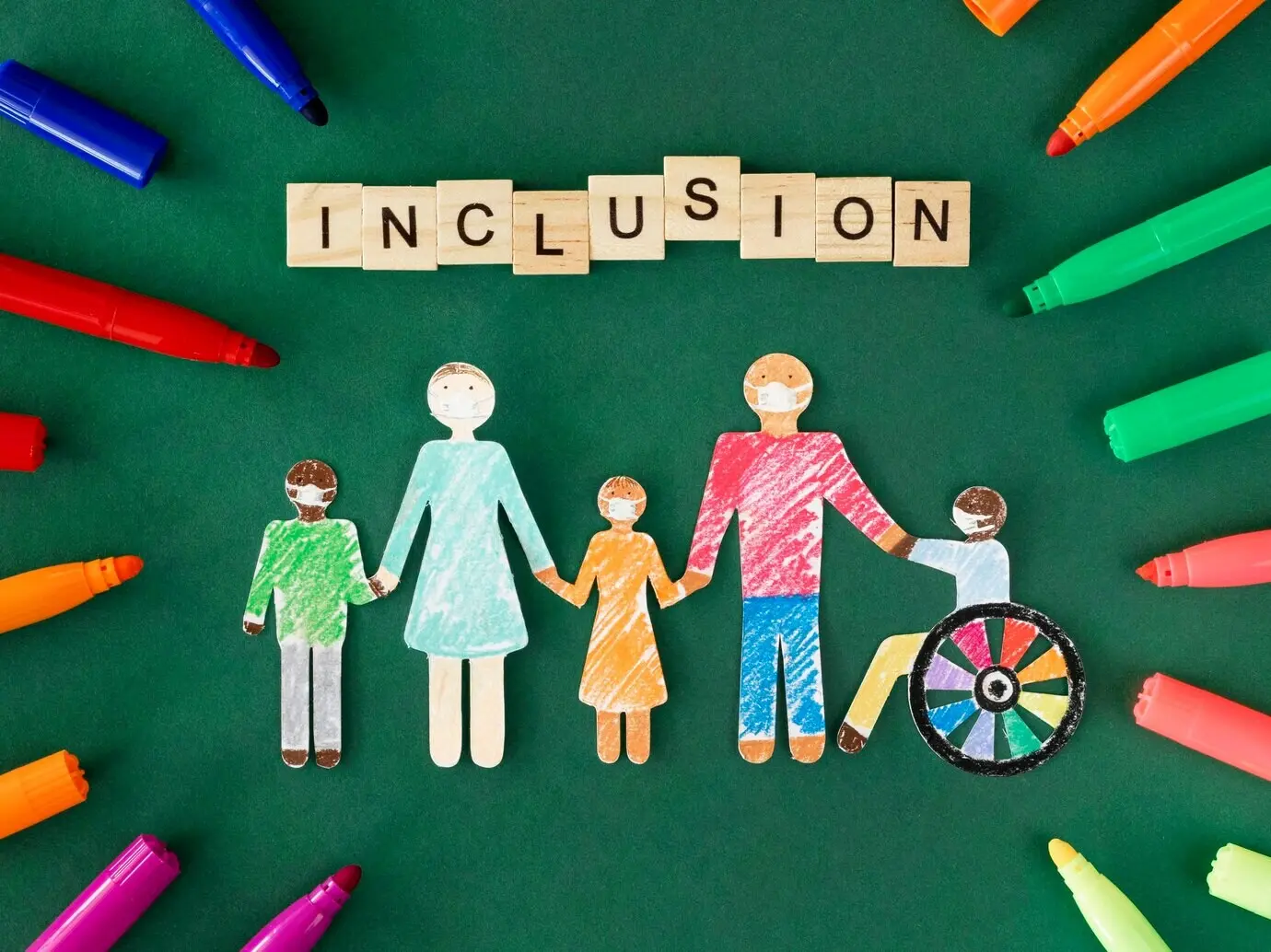
Inclusivity and speed are not opposites. With the right prompts, you can hear diverse perspectives while maintaining momentum. Structure contributions intentionally, use rounds, and set time boxes to prevent domination. Signal that silence is data, not consent. Offer multiple avenues to speak, write, or react. When people feel seen, they offer better information and commit to decisions. Design the flow so contributions are lightweight, predictable, and aligned to the decision you seek.

Round‑Robin and 1‑2‑4‑All Cues

Leverage rounds to distribute airtime. Say: We will go quickly around the virtual table, thirty seconds each, to share one risk we see. Or try 1‑2‑4‑All: think alone for one minute, compare in pairs, then fours, then share highlights. These prompts create fairness without bureaucracy, lower the threshold for quieter voices, and surface patterns efficiently. Set a visible timer and model brevity to keep energy high and focused.
Balancing Dominant and Quiet Speakers

Use respectful language to recalibrate airtime. Try: Let us pause here and hear from those we have not heard from yet. Or: I appreciate your passion; to widen the lens, I would love two quick perspectives from others. Offer an opt‑in: If you would rather write, drop your thoughts in chat now. These prompts reduce defensiveness, encourage reflective thinkers, and maintain pace without shaming energetic contributors who care deeply.

Using the Parking Lot with Integrity

A parking lot only works if it is trustworthy. Say: That point matters; let us capture it on the parking lot and commit to a five‑minute review before we close. Or: If we cannot resolve it now, who needs to meet offline, and by when? Revisit the list before ending. This preserves focus, honors ideas, and prevents resentment. Integrity here communicates that prioritization is about timing, not dismissal.


Paraphrase and Mirror Prompts

Reflect back to build alignment and reduce misinterpretation. Try: Here is what I am hearing; please correct me. Or: It sounds like you are prioritizing reliability over speed because customer trust is fragile right now. Is that accurate? Mirroring slows the pace just enough to catch errors, honors the speaker, and invites nuance. When people feel accurately understood, they contribute more boldly and accept outcomes more readily.

Assumptions and Evidence Questions

Turn vague claims into testable statements. Ask: What assumption underlies that concern? What evidence would change your mind? Which customer segment is this most true for? What would we see next week if we were right? These prompts shift debate from positions to learning, uncover gaps in data, and point to lightweight experiments. Evidence questions help teams avoid analysis paralysis by clarifying which facts matter and how to obtain them responsibly.

The Five Whys, Compassionately

Use a gentle chain of why questions to find root causes without blame. Frame it as curiosity: To understand the leverage point, why might this be happening? And why beneath that? Set a limit, note insights, and stop when answers repeat. Pair with what would make the biggest difference next week. Compassion keeps people engaged, while structured inquiry transforms scattered frustration into focused, realistic next steps everyone understands.

Clarify, Probe, and Make Thinking Visible

Productive discussions depend on shared understanding. Prompts that paraphrase, test assumptions, and expose reasoning prevent circular debate. Invite people to name evidence, risks, and trade‑offs explicitly. Summaries provide moments to align or correct. Curiosity is your engine; precision is your map. When logic paths become visible, disagreement becomes collaborative problem solving rather than personal conflict. Use gentle curiosity, not cross‑examination, to draw out what is unsaid and translate complexity into actionable clarity.

Generate Options, Then Converge with Confidence

Divergence invites creativity; convergence creates commitment. Separate the two with clear prompts. During ideation, defer judgment and aim for volume. During convergence, apply criteria and constraints explicitly. Name the decision mode so expectations are clear. Move from many to few to one using lightweight methods that fit the moment. The right prompts de‑risk bold thinking while preventing endless dithering, producing a decision people can support and actually implement.

Navigate Conflict and Stuck Energy

Tension is not failure; it is information. The art is channeling it productively. Use prompts that name what is happening without blame, separate interests from positions, and create options that respect constraints. Invite short timeouts to cool temperatures, then return with structure. When you articulate patterns gently and ask for shared goals, defensiveness eases. The goal is forward movement, not perfect harmony. Courageous curiosity unlocks stalled conversations.

Name the Tension Without Blame

Neutral language de‑escalates. Try: I am noticing we are looping between two viewpoints and our time is limited. What outcome would feel responsible to both sides right now? Or: It sounds like speed and safety are colliding; what is the smallest pilot that respects both? By naming the pattern rather than the person, you preserve dignity, reduce heat, and open a path to concrete experiments that test concerns.

Interests, Not Positions

Positions say what; interests explain why. Prompt with: What need sits underneath your request? What risk are you trying to avoid? What success metric matters most to you in this decision? When interests surface, creative trades appear. Perhaps the timeline is flexible if quality gates are explicit. Perhaps scope can shrink if a customer cohort benefits sooner. These questions transform tug‑of‑war into design, producing solutions people can authentically support.

Reset the Room When Emotions Rise

When energy spikes, pause intentionally. Say: Let us take ninety seconds in silence to write the single outcome we each want most, then we will share. Or: We need a two‑minute stretch and water break; when we return, we will try a structured round. Short resets regulate nervous systems, protect relationships, and save the meeting. Returning with clear prompts prevents rumination and funnels intensity into decisions that honor both urgency and care.

Close Strong and Keep Momentum Alive

Endings determine whether talk becomes traction. Use prompts that convert insights into commitments with owners, dates, and visible follow‑ups. Summarize decisions in plain language, confirm understanding, and schedule the next checkpoint. Invite a quick retrospective to improve the next session. Close with appreciation to reinforce trust. The right exit cues prevent drift, reduce rework, and make progress tangible, so people leave aligned, energized, and ready to deliver together.

Commitments, Owners, Dates

Translate decisions into concrete action. Prompt: What is the smallest next step, who owns it, and when will we know it is done? What support do you need, and how will we track it? Capture in a shared doc before ending. Confirm that owners agree. Visible commitments reduce ambiguity, make accountability collaborative rather than punitive, and give the team a reliable rhythm for checking progress without micromanagement or unnecessary status meetings.

Meeting Retrospective in Five Minutes

Improve quickly with a tiny retro. Ask: What helped us move forward today? What slowed us down? What is one prompt we will keep, start, or stop next time? Collect rapid responses verbally or in chat, choose one improvement, and assign an owner. This lightweight habit compounds. Over weeks, your facilitation language sharpens, friction decreases, and outcomes accelerate. Invite suggestions publicly and anonymously to capture more honest, actionable feedback.

Follow‑Up Prompts That Sustain Progress

After the meeting, send a brief note using prompts that reinforce clarity. State decisions, owners, due dates, and assumptions to validate. Ask: What did we miss? What new information has emerged? Do we need to adjust scope before the next checkpoint? Provide a single link to artifacts. These cues close loops, protect context for newcomers, and convert momentum into delivery. Encourage replies with additions, corrections, or risks spotted early.

Peluxarivontaplo
Privacy Overview

This website uses cookies so that we can provide you with the best user experience possible. Cookie information is stored in your browser and performs functions such as recognising you when you return to our website and helping our team to understand which sections of the website you find most interesting and useful.