
One Line, Open Door: Starting Tough Workplace Conversations

Today we focus on one-liners to start difficult workplace conversations, the short opening sentences that lower tension, invite consent, and set a constructive tone. You’ll find practical examples, psychology-backed framing, and gentle language that respects dignity while moving work forward. Try them, adapt them to your voice, and share your favorites with our community in the comments so others can learn what works in real, messy moments.

Why a Single Sentence Can Change the Room

Under pressure, brains scan for threat, and long speeches amplify uncertainty. A single clear opener signals safety, defines purpose, and gives the other person space to breathe. When you start small, you create room for consent, questions, and collaboration, shifting the energy from defensiveness to problem-solving.

The pause that lowers defenses

Try, “Could we pause for five minutes to talk about how we’re working together?” The time-bound request eases fear and clarifies intent. Pausing frames the exchange as joint improvement, not judgment. The brevity reduces cognitive load, helping colleagues hear curiosity instead of criticism or hidden agendas.

Naming the awkwardness

Say, “This feels a little awkward, and I care about getting it right—can we talk for a few minutes?” Naming discomfort normalizes it and demonstrates care. People relax when they feel seen, and the explicit time limit keeps the conversation concrete, doable, and less intimidating.
Inviting consent

Ask, “Is now an okay time to discuss something sensitive about our collaboration?” Explicit consent reduces power imbalances and models respect. If timing is wrong, schedule another slot. Honoring choice builds trust, and trust improves listening, recall, and the willingness to explore tradeoffs together.


Feedback about outcomes

Use, “I want to reflect on the impact of last sprint’s handoff—can we explore what helped and what hindered?” Framing around impact avoids blame and opens a joint investigation. From there, agree on one small experiment, timeline, and support needed, making improvement specific and trackable.

Behavior that affects others

Try, “I’ve noticed interruptions in our stand-ups; could we discuss how to make space for every voice?” Observing behavior, not motives, reduces defensiveness. Invite ideas, co-create a “no cross-talk” norm, and model it yourself. Reinforce wins publicly so the new habit sticks and scales.

Peer-to-Peer: Keeping Respect When Friction Sparks

When peers clash, status is equal and face-saving matters. A steady one-liner creates alignment on goals before content. Aim to affirm the relationship, define the shared purpose, and ask for a small step. Mutual respect invites brainstorming and protects the partnership beyond the immediate disagreement.

Checking context across time zones

Use, “I know it’s late your time; is tomorrow better to discuss a sensitive delivery risk?” Acknowledging timezone realities builds goodwill. Offer options, recap decisions in writing, and confirm next steps. The courtesy costs little yet dramatically improves engagement, especially for colleagues regularly accommodating inconvenient hours.

When English is a second language

Say, “If any word I use is unclear, please stop me; I’m happy to rephrase.” Inviting clarification reduces shame and speeds true understanding. Avoid idioms, speak slower, and share a brief written summary afterward. Mutual patience transforms potential frustration into durable, trusting collaboration across differences.

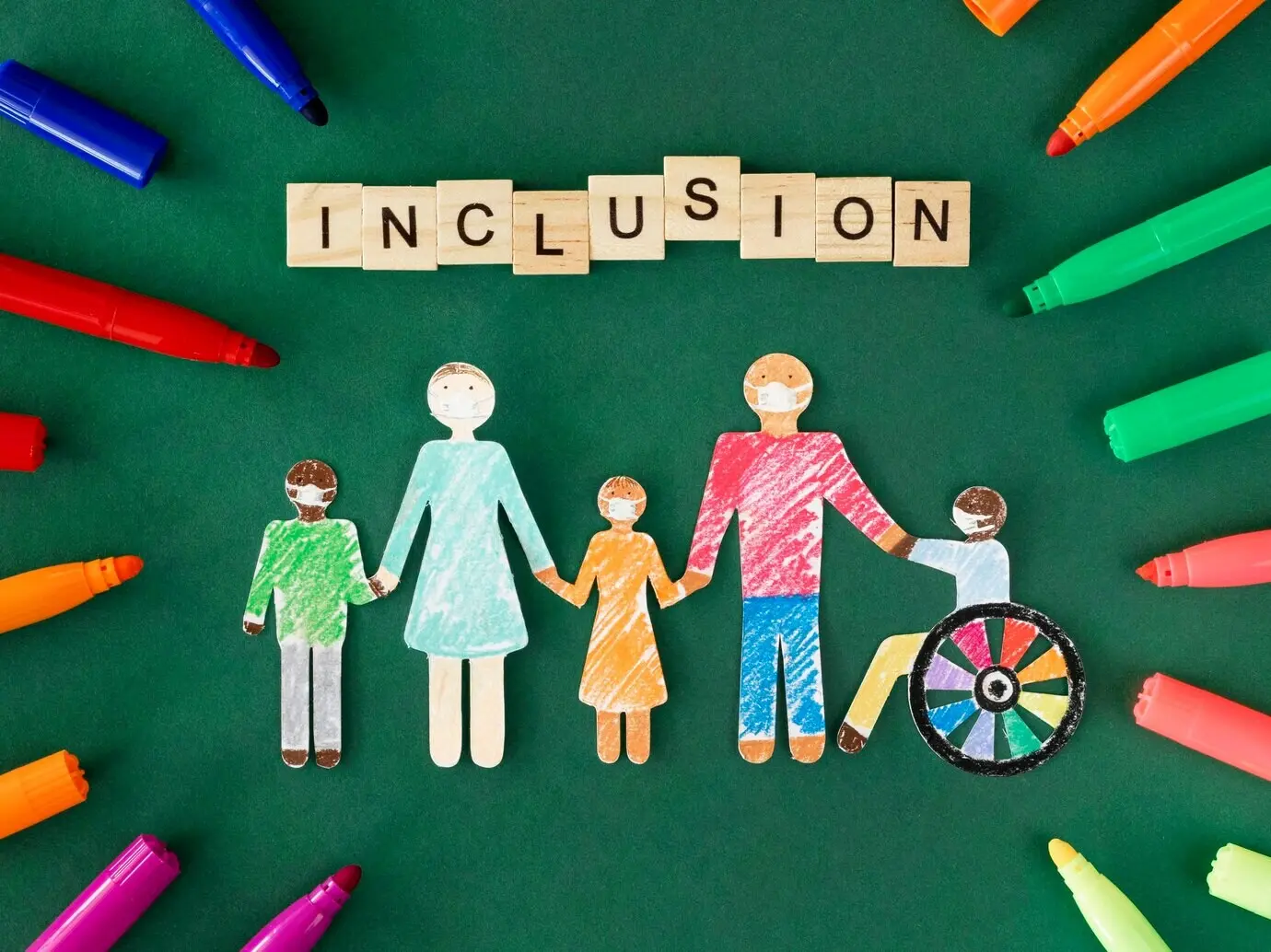
Boundaries, Bias, and Inclusion: Stepping In With Care

Some moments require courage and clarity, especially when harm or exclusion appears. One-liners can signal care, name impact, and invite learning without public shaming. Protecting dignity while setting firm boundaries helps teams grow. The goal is repair and progress, not performance or punishment for its own sake.

Addressing microaggressions

Start, “That comment may land hurtfully; could we pause and rephrase?” Centering impact encourages reflection without courtroom vibes. Offer an alternative wording, invite the affected colleague to opt in or out, and affirm team values. Consistent, calm intervention teaches norms while avoiding humiliating pile-ons.

Calling-in instead of calling-out

Use, “I think there’s a learning opportunity here; would you be open to a quick private chat after this?” Calling-in preserves relationships while addressing harm. Privacy allows nuance, questions, and accountability without defensiveness from an audience. Follow through kindly and concretely to sustain credibility and growth.

Repair and Reset After a Rough Start

Even with great openers, conversations can wobble. Repairing quickly preserves trust. Acknowledge impact, clarify intent, and propose a path forward. Short, sincere follow-ups model accountability and maturity. Teams remember how you recover as much as how you begin, so build rituals that make recovery normal.

Owning your part

Say, “I didn’t say that well; I’m sorry for the impact. May I try again more clearly?” Owning words without excuses shows respect. Restate the purpose, ask permission to continue, and invite corrections. Responsibility diffuses tension and reorients both of you toward shared outcomes.

When emotions spill

Try, “I’m getting flooded and want to be fully present; could we take ten minutes and come back?” Naming your state prevents harm. Breaks reduce cortisol and restore access to reasoning. Agree on a return time to avoid avoidance disguised as self-care.

Scheduling the follow-up

Use, “Let’s capture next steps and set a quick check-in next week.” Closing with logistics protects momentum. Document agreements, owners, and dates, then send a brief summary. Calendared accountability turns hopeful intentions into measurable progress, which reinforces confidence and reduces the likelihood of reopening old wounds.


Make It Yours: Adapting One-Liners to Your Voice

Memorable openers work best when they sound like you. Choose language that matches your role, culture, and personality. Practice out loud, refine phrasing, and gather feedback from trusted peers. Iteration builds fluency, so your first sentence reliably unlocks better conversations, even under messy pressure.
Peluxarivontaplo
Privacy Overview

This website uses cookies so that we can provide you with the best user experience possible. Cookie information is stored in your browser and performs functions such as recognising you when you return to our website and helping our team to understand which sections of the website you find most interesting and useful.